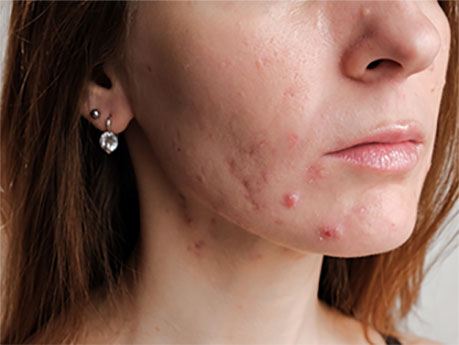
Skin changes during menopause are common due to the decline in estrogen levels, which impacts skin health and appearance. Here’s a detailed overview of how menopause can affect the skin and what can be done to manage these changes:
Skin Changes During Menopause
-
Dryness:
Description: Estrogen helps maintain skin hydration by supporting the production of natural oils and keeping the skin barrier intact. As estrogen levels decrease, the skin may become dry and less supple.
Management: Use moisturizers that contain ingredients like hyaluronic acid, glycerin, and ceramides. Opt for gentle, hydrating cleansers and avoid hot water, which can exacerbate dryness.
-
Thinning Skin:
Description: The skin may become thinner due to decreased collagen production, which is supported by estrogen. This thinning can make the skin more fragile and prone to bruising and tearing.
Management: Incorporate products with retinoids or peptides to stimulate collagen production. Regularly applying sunscreen can protect the skin from further damage.
-
Loss of Elasticity:
Description: Reduced collagen and elastin levels can lead to decreased skin elasticity, causing sagging and wrinkles.
Management: Use skincare products with antioxidants like vitamin C and E, and consider treatments such as laser therapy or micro-needling to improve skin firmness and elasticity.
-
Increased Wrinkling:
Description: The decline in collagen and elastin production contributes to the development of fine lines and wrinkles, particularly around the eyes, mouth, and forehead.
Management: Apply anti-aging creams with ingredients like retinoids, peptides, and hyaluronic acid. Regular exfoliation can also help improve skin texture.
-
Age Spots and Hyperpigmentation:
Description: Sun exposure combined with hormonal changes can lead to the development of age spots or uneven skin pigmentation.
Management: Use broad-spectrum sunscreen daily to protect against UV damage. Products containing ingredients like hydroquinone, vitamin C, or alpha hydroxy acids (AHAs) can help lighten hyperpigmentation.
-
Sensitivity and Redness:
Description: Some women experience increased skin sensitivity and redness due to hormonal fluctuations.
Management: Choose fragrance-free and hypoallergenic skincare products. Incorporate calming ingredients such as aloe vera or chamomile into your skincare routine.
-
Changes in Acne Patterns:
Description: Hormonal changes can sometimes lead to adult acne or exacerbate pre-existing acne conditions.
Management: Use non-comedogenic (won’t clog pores) skincare products. Consider treatments with salicylic acid or benzoyl peroxide, and consult a dermatologist for personalized advice.
Skincare Tips During Menopause
Hydration: Drink plenty of water and use a hydrating serum or moisturizer to maintain skin moisture.
Sun Protection: Apply sunscreen with at least SPF 30 every day to protect against UV damage and prevent further skin aging.
Gentle Cleansing: Use mild, hydrating cleansers to avoid stripping the skin of its natural oils.
Regular Exfoliation: Gentle exfoliation can help remove dead skin cells and improve texture but avoid over-exfoliating.
Healthy Diet: Eat a balanced diet rich in antioxidants, healthy fats, and vitamins to support skin health.
Avoid Smoking and Excessive Alcohol:Both can accelerate skin aging and contribute to dryness and damage.
Consult a Dermatologist: For personalized advice and treatments tailored to specific skin concerns and changes.
Management and Treatment
Hormone Replacement Therapy (HRT): May help improve skin hydration and elasticity, but it comes with potential risks that need to be evaluated with a healthcare provider.
Topical Treatments: Prescription creams containing retinoids or growth factors can promote collagen production and improve skin texture.
Procedures: Options like laser treatments, chemical peels, and microdermabrasion can address issues such as pigmentation, wrinkles, and overall skin texture.
Managing skin changes during menopause involves a combination of skincare routines, lifestyle adjustments, and professional treatments. Personalized approaches, guided by dermatologists or healthcare providers, can help address specific concerns and improve skin health and appearance.