Understanding PCOS: (Polycystic ovary syndrome)Symptoms, Causes, and How to Manage It
Polycystic Ovary Syndrome (PCOS) is one of the most common hormonal disorders affecting women of reproductive age. Despite its prevalence, PCOS often goes undiagnosed or misunderstood, leaving many women struggling with symptoms that affect their physical and emotional health.
What Is PCOS?
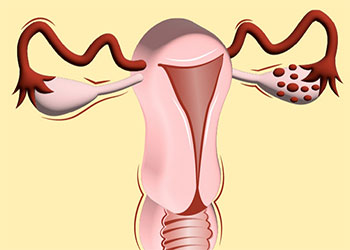
PCOS is a hormonal disorder where the ovaries produce excess androgens (male hormones), which can interfere with ovulation. It is characterized by a range of symptoms and often involves small, fluid-filled sacs (cysts) on the ovaries. However, not all women with PCOS develop ovarian cysts.
Symptoms of PCOS
The symptoms of PCOS vary from person to person, but common signs include:
Irregular Periods: Missed, infrequent, or prolonged menstrual cycles.
Excess Androgen Levels: Leading to acne, excessive facial or body hair (hirsutism), and hair thinning or balding.
Polycystic Ovaries: Enlarged ovaries with numerous small cysts visible on an ultrasound.
Weight Gain: Difficulty losing weight, especially around the abdomen.
Skin Issues: Dark patches on the skin (acanthosis nigricans) and skin tags.
Fertility Issues: Difficulty conceiving due to irregular ovulation.
Causes of PCOS
The exact cause of PCOS is unknown, but several factors contribute to its development:
Insulin Resistance: High insulin levels lead to increased androgen production, disrupting ovulation.
Hormonal Imbalances: Excess androgens interfere with normal ovarian function.
Genetics: A family history of PCOS or type 2 diabetes increases risk.
Inflammation: Chronic low-grade inflammation has been linked to PCOS.
Complications of PCOS
If left untreated, PCOS can lead to long-term health issues, such as:
Type 2 diabetes
Cardiovascular disease
Infertility
Sleep apnea
Depression and anxiety
Diagnosing PCOS
There is no single test to diagnose PCOS. Doctors use a combination of:
Medical History: Evaluating symptoms and menstrual cycle patterns.
Physical Exam: Checking for signs of excess androgens, such as acne or hair growth.
Ultrasound: To detect polycystic ovaries.
Blood Tests: Measuring hormone levels and checking for conditions like insulin resistance or thyroid dysfunction.
Managing PCOS
PCOS has no cure, but its symptoms can be effectively managed with a combination of lifestyle changes, medications, and treatments.
1. Lifestyle Modifications
Diet: A low glycemic index (GI) diet with whole grains, lean protein, healthy fats, and plenty of vegetables helps manage insulin resistance.
Exercise: Regular physical activity improves insulin sensitivity and promotes weight loss.
Stress Management: Practices like yoga or meditation can help regulate hormones.
2. Medications
Birth Control Pills: Regulate menstrual cycles and reduce androgen-related symptoms.
Metformin: Improves insulin resistance and helps regulate ovulation.
Fertility Treatments: For women trying to conceive, medications like clomiphene citrate or letrozole may be prescribed.
3. Skin and Hair Treatments
Topical treatments for acne and laser therapy for excessive hair growth can be effective.
4. Supplements
Inositol, omega-3 fatty acids, and vitamin D have shown benefits in managing PCOS symptoms.
Living with PCOS
Dealing with PCOS can be challenging, but with proper management, many women lead healthy, fulfilling lives. Building a support system, seeking medical guidance, and making small, sustainable lifestyle changes are key to managing symptoms and improving quality of life