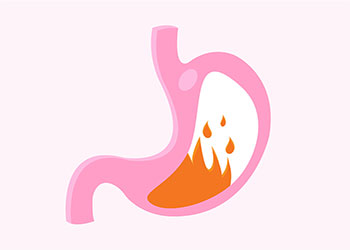
Menopause and GERD (Gastroesophageal Reflux Disease) — exploring their connection, overlapping symptoms, and management tips
Introduction
Hot flashes, mood swings, and irregular periods often take the spotlight in menopause discussions—but there’s another less-talked-about companion: GERD, or Gastroesophageal Reflux Disease. Many women in midlife begin to experience increased heartburn, acid reflux, and digestive discomfort, often not realizing that hormonal shifts may be playing a role. So, what exactly links menopause and GERD, and what can be done to manage it?
What is GERD?
GERD occurs when stomach acid frequently flows back into the esophagus, causing irritation. Symptoms include:
Heartburn
Regurgitation
Bloating
Chronic cough
Difficulty swallowing
The Hormonal Link: Estrogen’s Role
During menopause, estrogen levels drop, which affects multiple systems—including the digestive tract. Estrogen helps relax smooth muscle tissue, including the lower esophageal sphincter (LES). When estrogen declines:
The LES may weaken or become less effective
Acid can escape more easily into the esophagus
Digestive motility slows, increasing the risk of reflux
Add to this age-related changes, weight gain, stress, and certain medications, and GERD can become a chronic issue during midlife.
Contributing Lifestyle Factors in Midlife
Weight gain: Common after menopause and a known risk factor for GERD.
Dietary changes: Comfort eating or increased caffeine/alcohol intake.
Physical inactivity: A sedentary lifestyle slows digestion.
Stress & Anxiety: Both increase gastric acid production and affect GI function.
Managing GERD During Menopause: Practical Tips
1. Mind Your Meals
Eat smaller, more frequent meals
Avoid trigger foods: spicy, fatty, citrus, caffeine, alcohol, chocolate
Don’t lie down immediately after eating
2. Lifestyle Changes
Elevate the head of your bed
Maintain a healthy weight
Incorporate gentle movement like yoga or walking
3. Hormonal Support
Hormone Replacement Therapy (HRT) may offer relief, but its role in GERD is complex
Some women experience improvement, others may see symptoms worsen—personalized guidance is key
4. Medications and Natural Remedies
Antacids or proton pump inhibitors (PPIs) can manage symptoms
When to See a Doctor
Persistent heartburn more than twice a week, difficulty swallowing, or unexplained weight loss are red flags. It’s crucial to differentiate between GERD, cardiac issues, and other gastrointestinal conditions, especially in midlife.
Bonus Tip:
Tracking symptoms with a journal—especially what you eat and when you experience reflux—can be an eye-opening step toward healing.