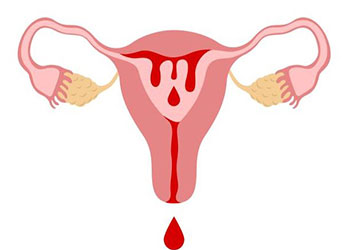
Vaginal bleeding during menopause
Understanding Bleeding During Menopause: What’s Normal, What’s Not
Menopause is often seen as the end of monthly periods — a phase that brings relief from the inconvenience and discomfort of menstruation. But what happens when bleeding shows up unexpectedly during this time? For many women, this can be confusing, even alarming.
Let’s break down the different types of bleeding that can occur during the menopause transition and beyond — and what each type might mean.
1. Bleeding During Perimenopause: The Hormonal Rollercoaster
Perimenopause, the transitional stage before menopause, is marked by fluctuating hormone levels. These hormonal ups and downs can make menstrual cycles unpredictable. Here’s what you might experience:
Irregular periods: Cycles may become shorter or longer than usual.
Spotting between periods: Light bleeding can occur randomly.
Heavy or prolonged periods: Some months might bring a heavier flow than you’re used to.
Skipped periods followed by heavy bleeding: When ovulation becomes irregular, the uterine lining can build up and shed unpredictably.
What’s causing it?
These changes are usually due to shifting levels of estrogen and progesterone, which can also lead to conditions like fibroids or endometrial polyps that worsen bleeding.
2. Postmenopausal Bleeding: A Red Flag
Once you’ve gone 12 consecutive months without a period, you’re officially in menopause. From this point forward, any vaginal bleeding is considered abnormal and should be checked by a healthcare provider.
You may notice:
Light spotting or brownish discharge
Bright red bleeding
Bleeding after sex (postcoital bleeding)
Possible causes include:
Vaginal or endometrial atrophy: Thinning tissues due to low estrogen can lead to bleeding.
Polyps: Noncancerous growths in the uterus or cervix.
Endometrial hyperplasia: A thickened uterine lining that can sometimes lead to cancer.
Cancer: Especially endometrial or cervical cancer, though this is less common.
Hormone therapy side effects: Some women on HRT may experience breakthrough bleeding.
Important: Postmenopausal bleeding should never be ignored. It might be benign, but it warrants investigation.
3. Bleeding While on Hormone Replacement Therapy (HRT)
Hormone therapy can mimic your premenopausal hormonal cycles, depending on the type and regimen. Some women may experience:
Breakthrough bleeding or spotting, especially in the first few months.
Regular monthly withdrawal bleeding, if using a cyclic HRT regimen.
This is typically normal in the early stages of HRT but should be monitored if it becomes persistent or heavy.
When to Call Your Doctor
While occasional spotting might not be a cause for panic, certain types of bleeding need medical attention. Speak to your doctor if you experience:
Any bleeding after menopause
Unusually heavy or painful periods during perimenopause
Bleeding after intercourse
New or persistent bleeding on HRT
Bleeding with pelvic pain, bloating, or unexplained weight loss
Early evaluation can rule out serious conditions and give you peace of mind.
Final Thoughts
Bleeding during menopause isn’t always a sign of something serious, but it’s a signal from your body that shouldn’t be ignored. Whether it’s hormone-related changes, the effects of medication, or something more significant, understanding the different types of bleeding — and what they might indicate — is a powerful step toward taking charge of your health during menopause.