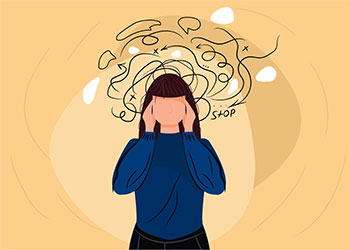
Stress and menopause
Hormonal imbalance during menopause occurs due to fluctuating levels of key hormones, primarily estrogen, progesterone, and testosterone. These changes can lead to a wide range of symptoms affecting physical, emotional, and mental well-being.
Common Symptoms of Hormonal Imbalance During Menopause
Hot Flashes & Night Sweats
Vaginal Dryness & Painful Intercourse
Mood Swings & Depression
Sleep Disturbances
Weight Gain & Metabolism Changes
Brain Fog & Memory Issues
Bone Loss (Osteoporosis)
Joint Pain & Muscle Stiffness
Thinning Hair & Dry Skin
Decreased Libido
Stress during menopause
Stress during menopause is a major but often overlooked issue. Hormonal fluctuations—especially the decline in estrogen—affect the body’s ability to manage stress, making women more prone to anxiety, irritability, mood swings, and even depression.
Why Does Stress Increase During Menopause?
1. Hormonal Shifts:
Estrogen regulates cortisol (the stress hormone), serotonin (the “feel-good” hormone), and norepinephrine (linked to anxiety). When estrogen drops, cortisol levels may spike, leading to heightened stress responses.
2. Sleep Disruptions:
Night sweats, hot flashes, and insomnia make it harder to get restful sleep, increasing fatigue and emotional instability.
3. Physical Changes:
Weight gain, joint pain, and decreased metabolism can lead to body image concerns and frustration.
4. Life Transitions:
Many women experience added stress due to aging parents, empty nest syndrome, or career shifts during this time.
5. Cognitive Changes:
Brain fog and memory lapses can make daily tasks more stressful, leading to self-doubt and frustration.
How to Manage Stress During Menopause
Mind-Body Practices: Yoga, meditation, deep breathing, and tai chi help regulate the nervous system and lower cortisol.
Regular Exercise: Physical activity, especially aerobic exercises like walking, swimming, and strength training, boosts endorphins and reduces stress.
Healthy Nutrition: A balanced diet rich in whole foods, omega-3s, and phytoestrogens (found in flaxseeds and soy) helps stabilize mood.
Adequate Sleep: Maintaining good sleep hygiene—like reducing screen time before bed, keeping a cool room, and using relaxation techniques—improves rest quality.
Social Support: Talking to friends, joining support groups, or seeking therapy can help process emotions and reduce feelings of isolation.
Hormone Therapy (If Needed): Some may benefit from HRT (hormone replacement therapy) under medical supervision.