Egg Freezing or Social Freezing: A Modern Approach to Family Planning
What is Social Freezing?
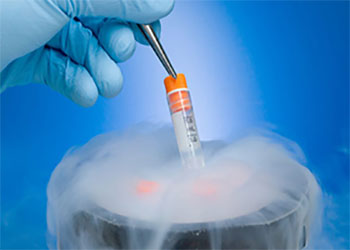
Social freezing refers to the preservation of eggs or sperm for non-medical reasons, allowing individuals to delay parenthood while securing their future fertility. This option is ideal for those who wish to focus on education, career, or other personal aspirations while keeping the door open to a biological family later on. The process involves collecting and freezing reproductive cells (eggs for women, sperm for men) at an optimal age, ensuring better quality and higher chances of success in future assisted reproductive treatments like in-vitro fertilization (IVF). As family planning dynamics evolve, social freezing has become an increasingly popular choice for those seeking greater control over their reproductive future.
Pros and Cons of Social Freezing
Pros:
Fertility Preservation: By freezing eggs or sperm at a younger age, individuals can increase their chances of successful conception in the future.
Flexible Family Planning: Social freezing allows individuals to focus on personal goals, such as career or education, without compromising their plans for a family.
Control Over Timing: This option aligns parenthood with favorable life circumstances, ensuring that family planning can happen at the right time.
Protects Against Medical Fertility Risks: For individuals facing medical treatments like chemotherapy, which may impact fertility, social freezing offers a safety net.
Reduces Age-Related Fertility Risks: Using eggs or sperm preserved at a younger age may reduce risks associated with age, such as fertility decline and genetic abnormalities.
Cons:
High Costs: Social freezing can be costly, including storage fees and ongoing maintenance, which may be a barrier for some.
Variable Success Rates: While social freezing can help preserve fertility, success isn’t guaranteed, as age-related factors, like uterine health, may still impact outcomes.
Storage Limitations: Legal and facility-specific policies on storage time can vary significantly across countries and clinics, limiting options.
Emotional and Physical Strain: The process can be emotionally and physically taxing, requiring comfort with the procedures involved.
Potential Risks from Hormonal Treatments: Hormonal treatments required for egg retrieval come with risks like ovarian hyperstimulation syndrome (OHSS), which can cause side effects such as mood swings, bloating, and additional stress related to family planning decisions.
Final Thoughts
Social freezing offers a valuable option for individuals wishing to take control of family planning and delay parenthood until the right time. However, while it can preserve fertility, the outcome also depends on factors such as the age at freezing and the quantity and quality of preserved cells. Understanding both the benefits and limitations is essential for making an informed decision about social freezing.