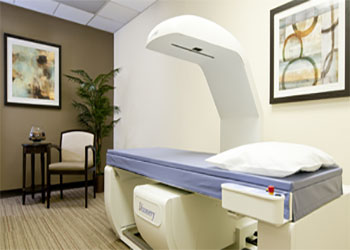
A DEXA Scan (Dual-Energy X-ray Absorptiometry) is a low-dose, non-invasive, and painless diagnostic test that measures calcium and other minerals in your bones. It is one of the most accurate methods for assessing bone mineral density (BMD) and evaluating your bone’s strength and thickness.
This test plays a crucial role in detecting conditions like osteoporosis before fractures occur, enabling you to take proactive steps to maintain healthy bones.
How Does a DEXA Scan Work?
The DEXA scan uses two low-energy X-ray beams that pass through the bones at different levels. One beam measures soft tissue, and the other measures bone density. By calculating the difference between these two measurements, the test determines the bone density.
The lower the bone density, the higher the risk of fractures. Unlike a regular X-ray, the DEXA scan can detect even small reductions in bone density, making it a valuable tool for early intervention.
Who Should Get a DEXA Scan?
Postmenopausal Women: After menopause, women experience a rapid decline in bone mass due to lower estrogen levels, which increases the risk of osteoporosis. In women without high-risk factors, DEXA scans are typically recommended starting at age 65 and repeated every two years.
Men Over 50: While osteoporosis is more common in women, men over 50 are also at risk and should consider a DEXA scan.
High-Risk Individuals: The following groups are advised to begin DEXA scans earlier (around age 50 or even earlier) and may require more frequent monitoring:
Those with a family history of osteoporosis or fractures.
Individuals with sedentary lifestyles.
People with chronic conditions such as rheumatoid arthritis or celiac disease.
Those taking long-term corticosteroids or other medications that impact bone density.
Common Areas Scanned:
The most common areas evaluated during a DEXA scan are the hip, spine, and lower arm, as these regions are most susceptible to fractures from bone loss.
Interpreting Your DEXA Scan Results:
Compares your bone density to that of a healthy young adult of the same gender.
T-score of -1 or above: Normal bone density.
T-score between -1 and -2.5: Low bone density (osteopenia).
T-score of -2.5 or below: Osteoporosis.
T-Score:
Compares your bone density to that of others in your age group and body size.
Z-scores are more commonly used in children, young adults, and men under 50.
Z-Score:
Benefits of a DEXA Scan:
Predicts fracture risk: Helps assess your likelihood of breaking bones.
Early detection of bone loss: Enables timely interventions to slow or reverse bone loss.
Monitors treatment progress: Tracks the effectiveness of osteoporosis treatments or lifestyle changes.
How to Improve Bone Health After a DEXA Scan:
If your DEXA scan reveals low bone density, there are several steps you can take to improve your bone health:
Increase calcium intake: Include calcium-rich foods such as dairy products, leafy greens, and fortified foods.
Ensure adequate vitamin D: Vitamin D is essential for calcium absorption, so consider sun exposure, supplements, or vitamin D-rich foods..
Avoid smoking and excessive alcohol: Both can accelerate bone loss.
Engage in physical activity: Weight-bearing exercises like walking, jogging, or strength training can help strengthen bones.
Consider medications: Your doctor may recommend medications such as bisphosphonates or hormone therapy if needed to prevent further bone loss.
Disadvantages of a DEXA Scan:
Not suitable for pregnant women: Due to the use of X-rays, this scan is not recommended during pregnancy.
Radiation exposure: Though minimal, there is some exposure to radiation.
Cost and accessibility: DEXA scans may be expensive or not readily available in some regions.
Conclusion:
The DEXA scan is a valuable tool for assessing bone health, particularly for detecting osteoporosis and preventing fractures. While it has some limitations, the benefits far outweigh the drawbacks, especially for individuals at higher risk of bone loss. Early detection through DEXA scanning, combined with lifestyle changes and treatment options, can help maintain strong, healthy bones for years to come.